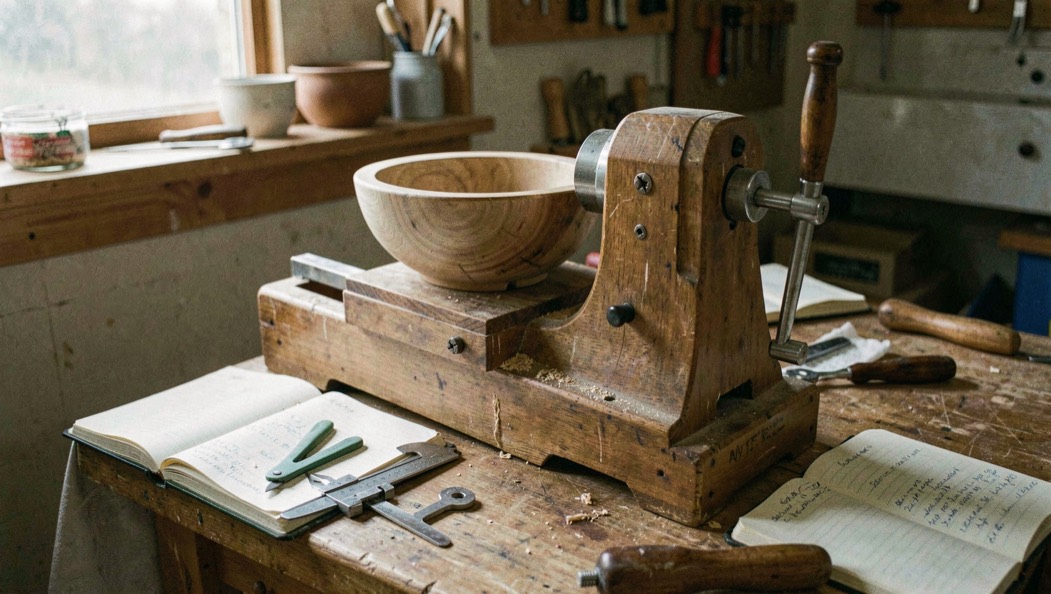
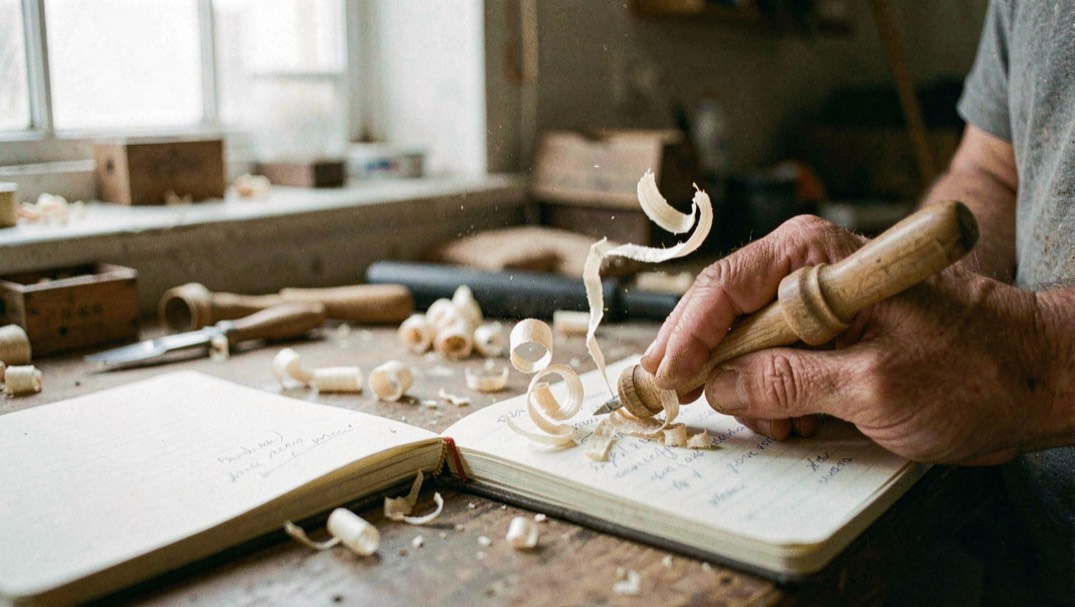
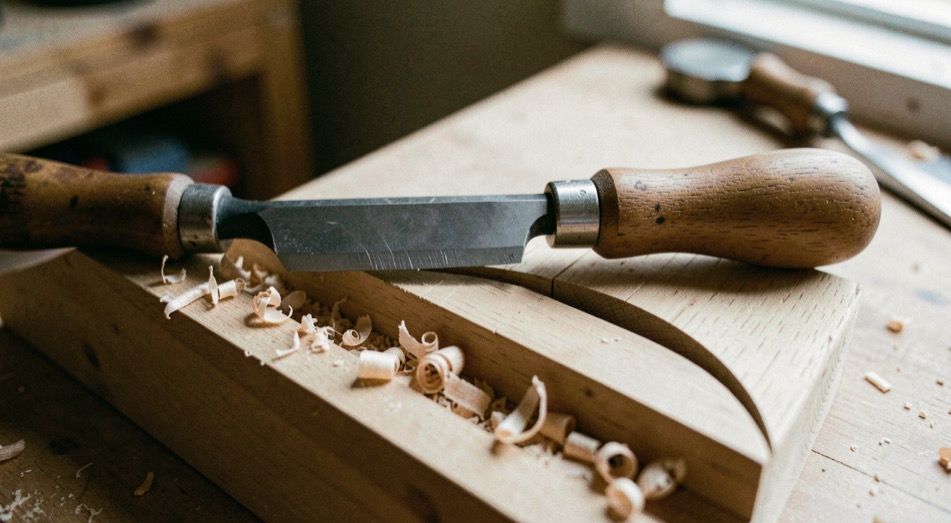
How a Turned Bowl Becomes a Useful Object
Form, scale and finish all matter when a bowl is meant to live on a table instead of a shelf.
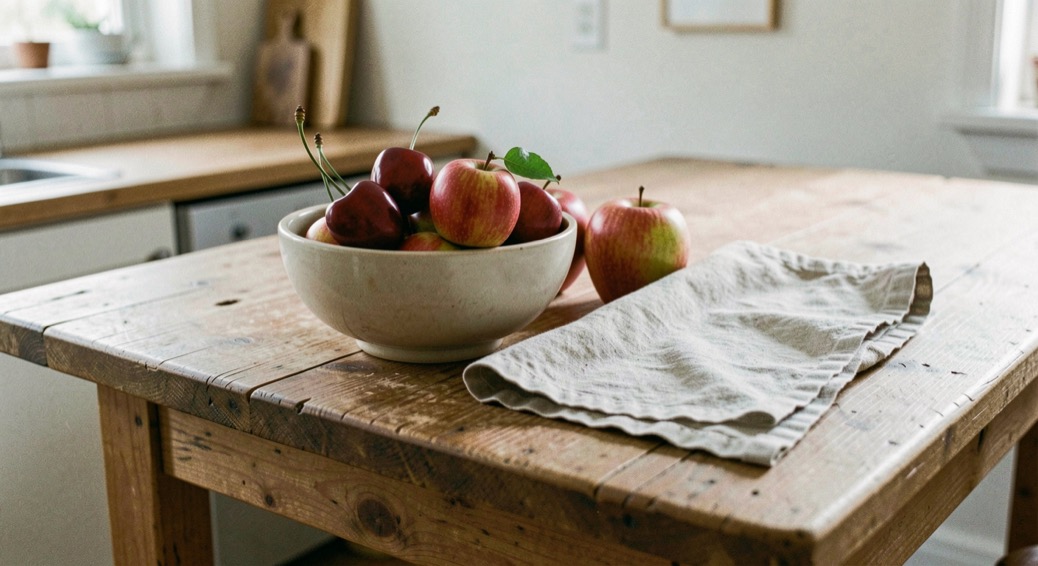
Design for the hand
A useful bowl is read by touch before it is judged by eye. Consider the rim, the foot and the weight of the wall together. A broad, quiet curve is easier to live with than decoration that asks for constant attention.
Let the species speak
Cherry, maple and walnut each change the mood of a room. The species desk records grain and finish considerations, while the food-safe finish guide explains why a finish should be chosen for care as well as color.
The last test
Set the bowl on a real table with real light. Check that it sits without rocking, that the rim is comfortable, and that the finish does not turn a useful surface into a fragile display. Good turning is often the art of removing one more complication.
Design from contact points
Before turning, sketch the bowl in profile and mark the places a hand, table or food will touch. A comfortable rim needs a transition that does not leave a sharp arris, while a foot must be wide enough for the form and the species. Wall thickness should follow the diameter and intended use, not a race toward the thinnest possible edge. Test the drawing against a real plate or handful of fruit. This catches an elegant but impractical silhouette before material, time and a good blank have been committed.
Choose wood with the job in mind
Cherry and maple can make calm utility bowls, while walnut offers contrast and visual weight. Open-pored oak needs a surface plan if crumbs or liquids will be involved, and soft pine can bruise under a careless tool or rough handling. Grain direction changes how the rim cuts, especially across end grain. The species record narrows the choice, but it cannot inspect a particular blank for tension, inclusions or moisture. Wear eye protection during every cut and reject stock that moves in the chuck or shows a growing crack.
Test the object as an owner would
Set the finished form on the table where it will live. Push lightly at several points to find rocking, run a dry cloth around the rim, and check whether the chosen finish creates a slippery surface. A dry-fruit bowl may need a different care note from a decorative vessel, and neither should be presented as dishwasher-safe without evidence. For example, a low cherry bowl with a broad foot can serve a kitchen better than a deeper, thinner form if the owner needs stable access and simple hand washing.
A useful object carries instructions
Include the species, finish, intended use and care with the bowl. Explain whether it is for dry food, decoration or occasional hand washing, and name any limitation that could surprise an owner. Check the base on a flat surface after the finish has cured because a small wobble changes the experience more than a decorative mark. A maker can also photograph the grain before the object leaves the studio. Good documentation protects the work, gives the buyer confidence and keeps a beautiful form from being used in a way its material cannot support.
Precise safety and material claims are grounded in the editorial methodology; workshop guidance is identified as practical synthesis.