Make with intention
Woodworking & DIY
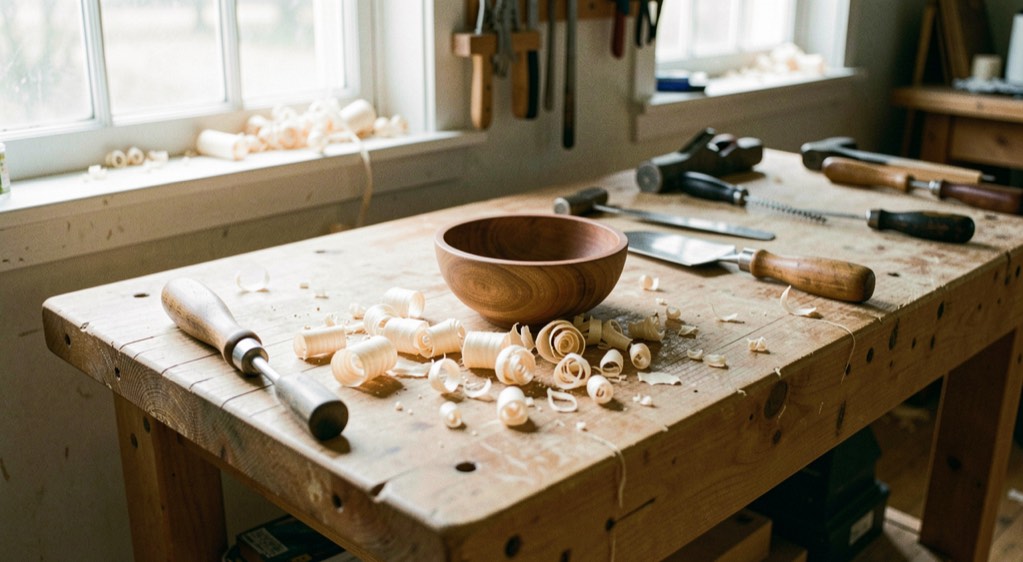
Shop habits, small decisions and approachable ways to build a useful turning practice.
Explore the section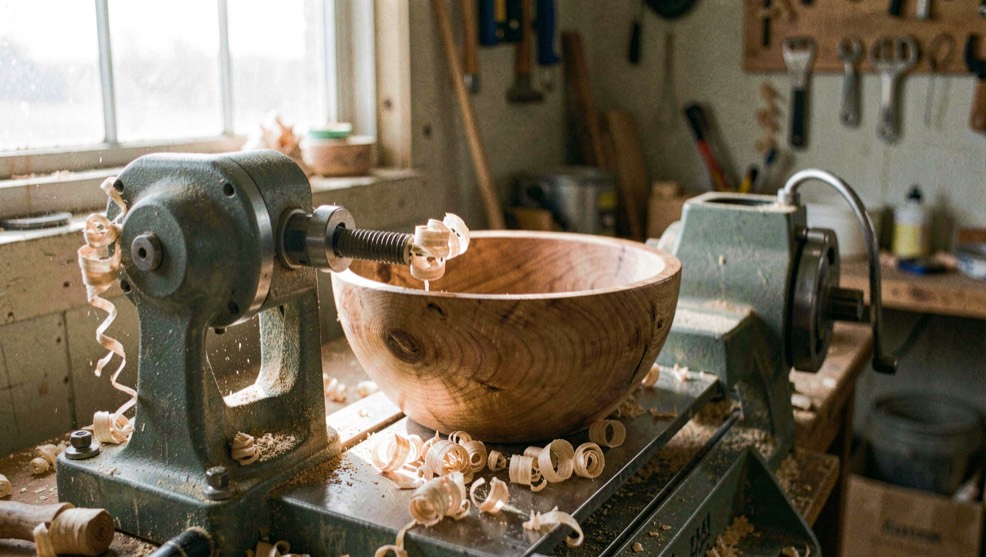
Vermont Woodturning Journal is a practical, place-aware guide to species, technique, equipment, safety and the makers who keep the grain moving.
Seven useful shelves make the niche legible to readers, partners and search engines. The technical detail stays in the stories.
A few readers work the other end of the timeline and plant what they hope to turn in thirty years. That is a different trade, with its own catalogues and its own shipping windows, and Specialty Nurseries is where those questions get answered properly. Grafted fruitwood and named maple cultivars almost never reach a garden centre bench.
Shop habits, small decisions and approachable ways to build a useful turning practice.
Explore the section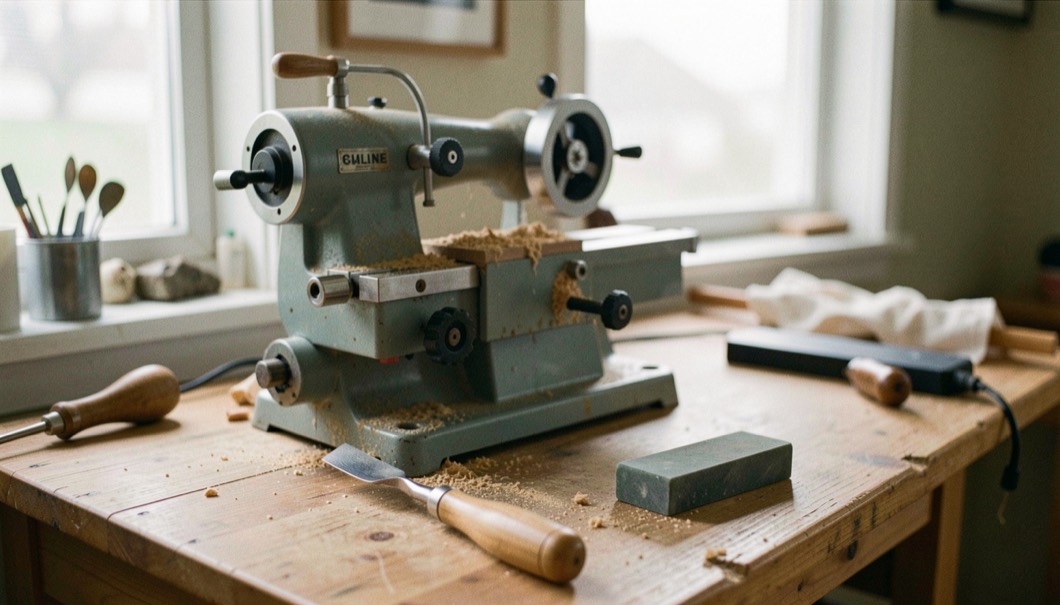
Lathe geometry, gouges, chucks, sharpening and the equipment that earns its place.
Explore the section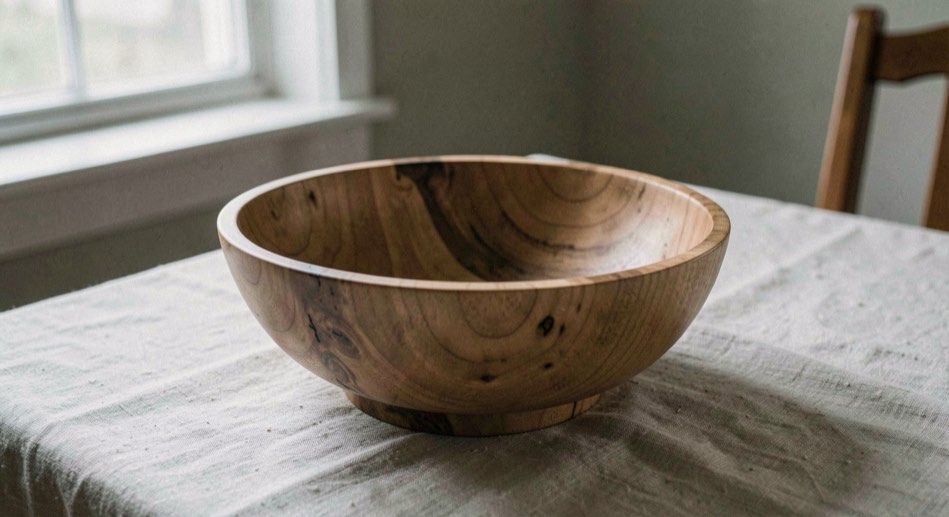
Bowls, vessels and turned details that make the grain part of the room.
Explore the section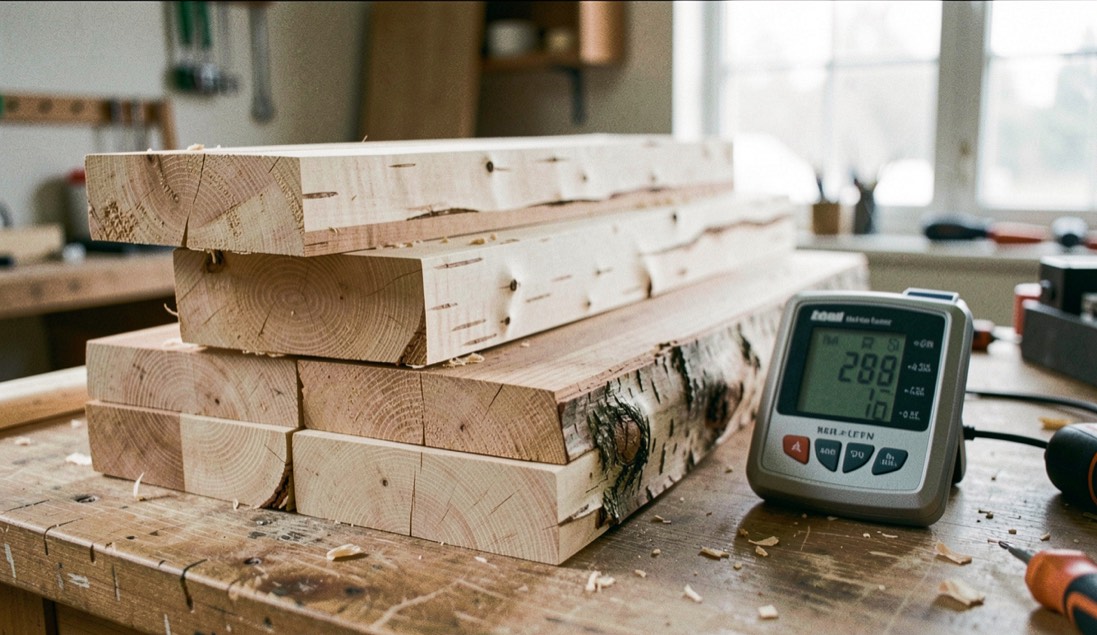
Species, moisture, grain, blanks, abrasives and finishes for informed choices.
Explore the section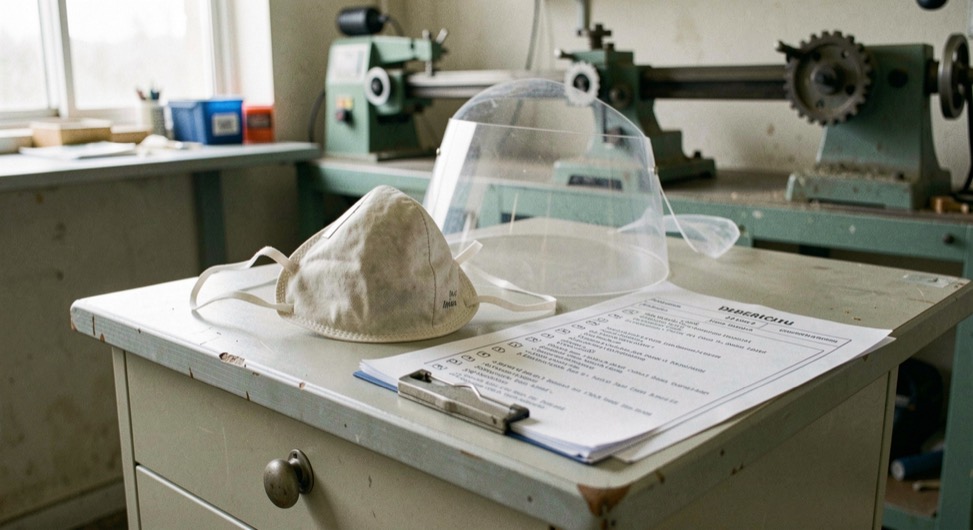
Clear safety checks, dust control and a learning path that keeps curiosity intact.
Explore the section
Ordered workflows for bowls, spindle work, hollow forms and small gifts.
Explore the section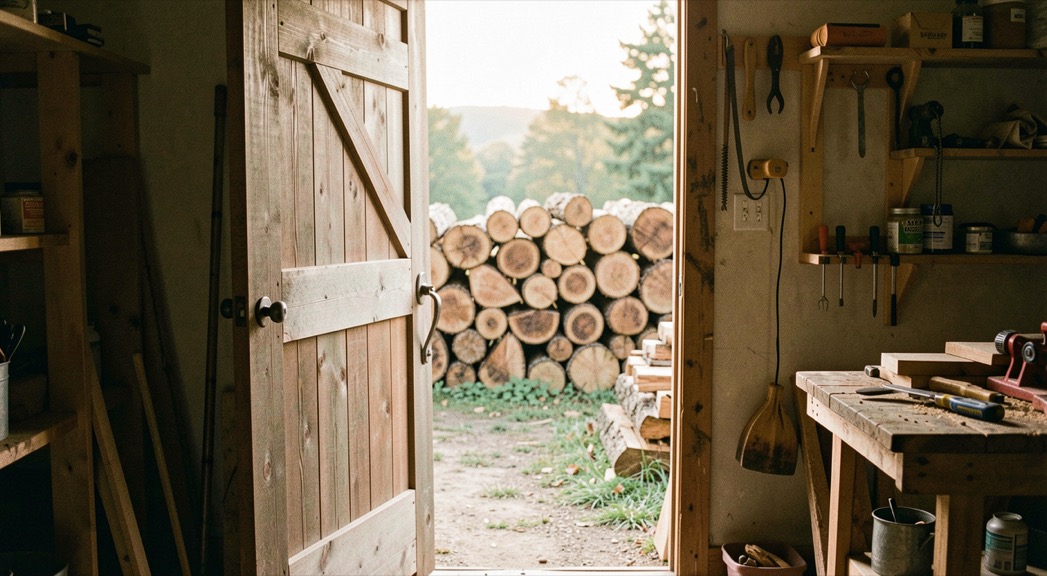
Vermont and New England studios, vocabulary and material culture in the turning world.
Explore the section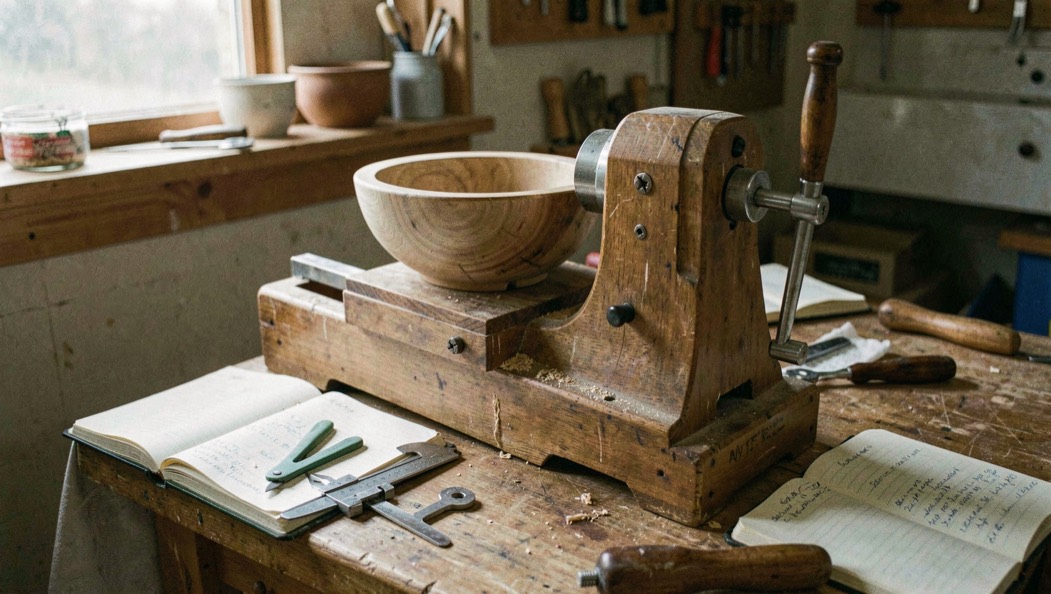
A practical way to compare swing, distance, speed control and the work you actually want to make.

Short, repeatable sessions build better tool control than chasing a finished object every time.

Form, scale and finish all matter when a bowl is meant to live on a table instead of a shelf.
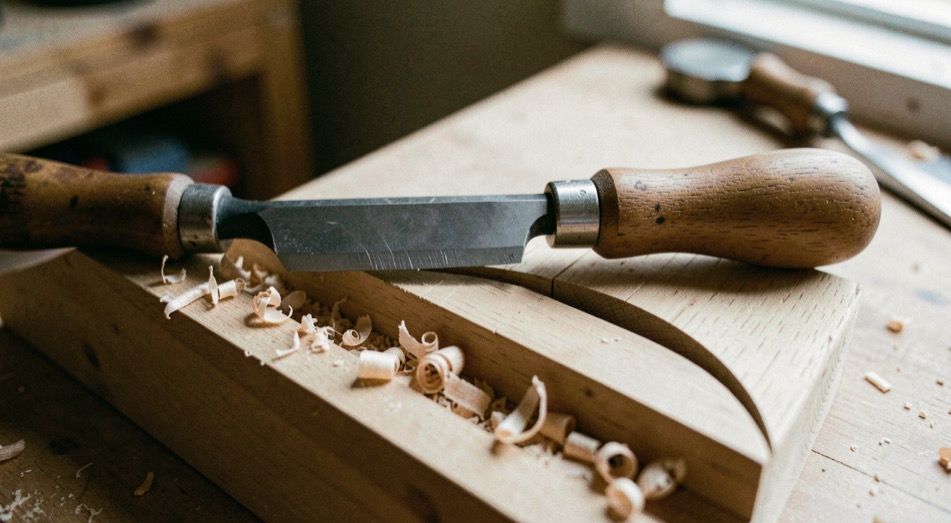
Grind, bevel and presentation are a system. Change one and the feel of the cut changes with it.
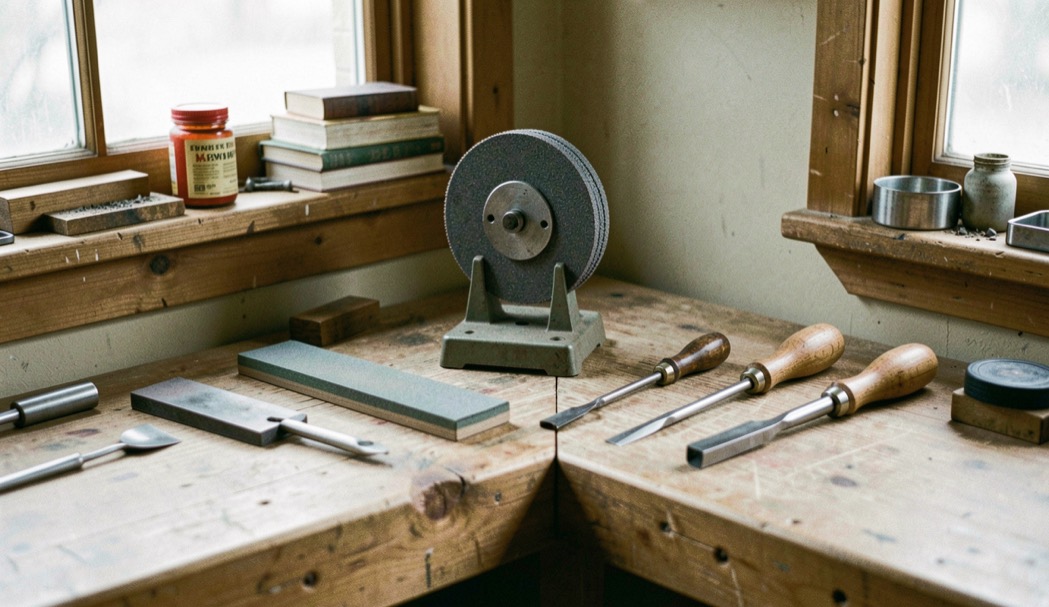
The best sharpening system is the one that produces a known edge without turning every session into a setup project.
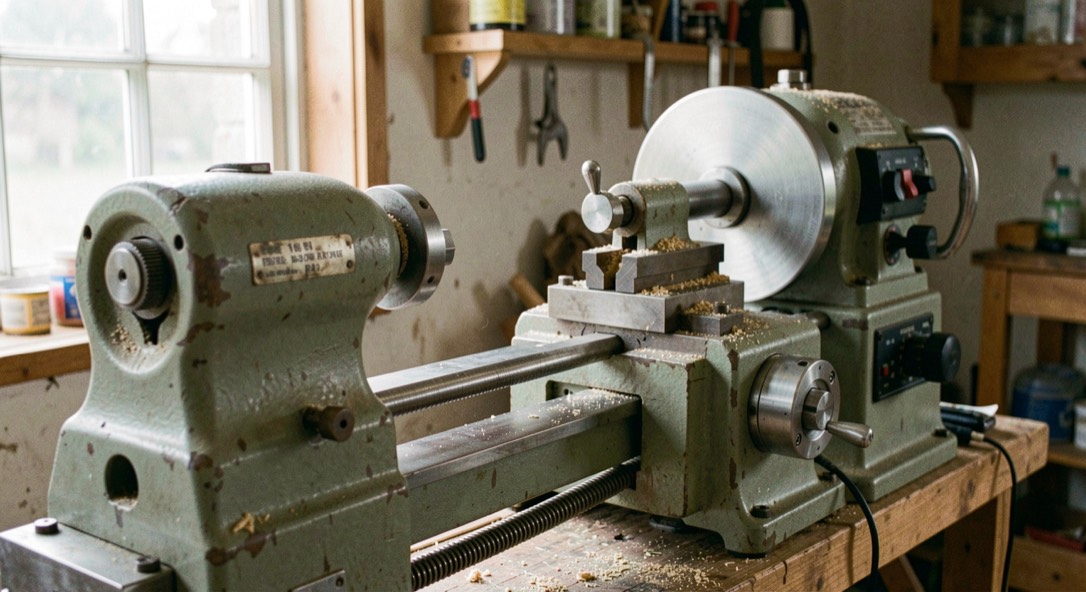
Capacity, control and comfort make more difference than a crowded specification sheet.
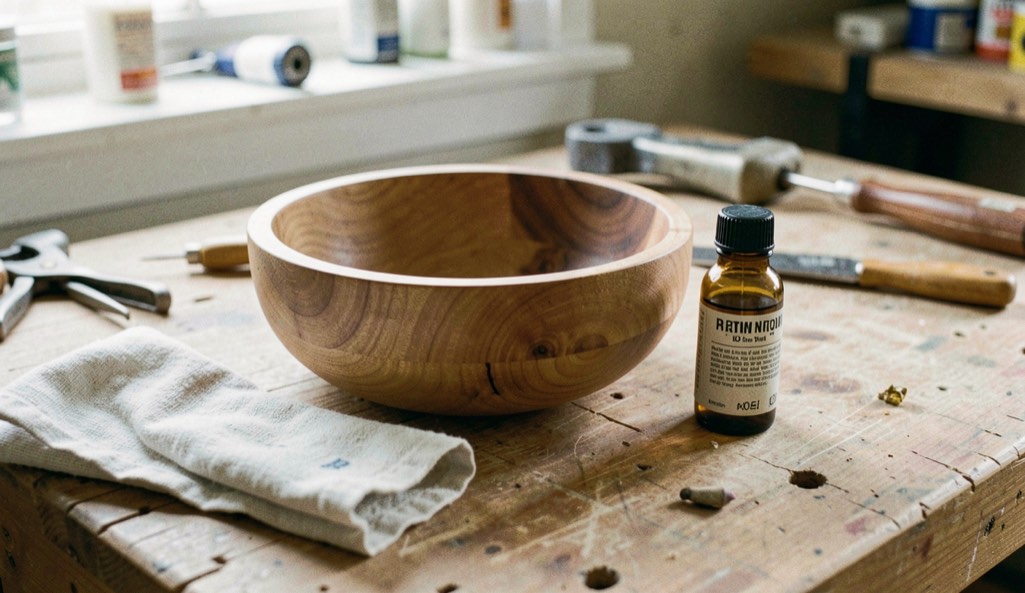
Finish advice becomes clearer when use, cure and future care are considered together.
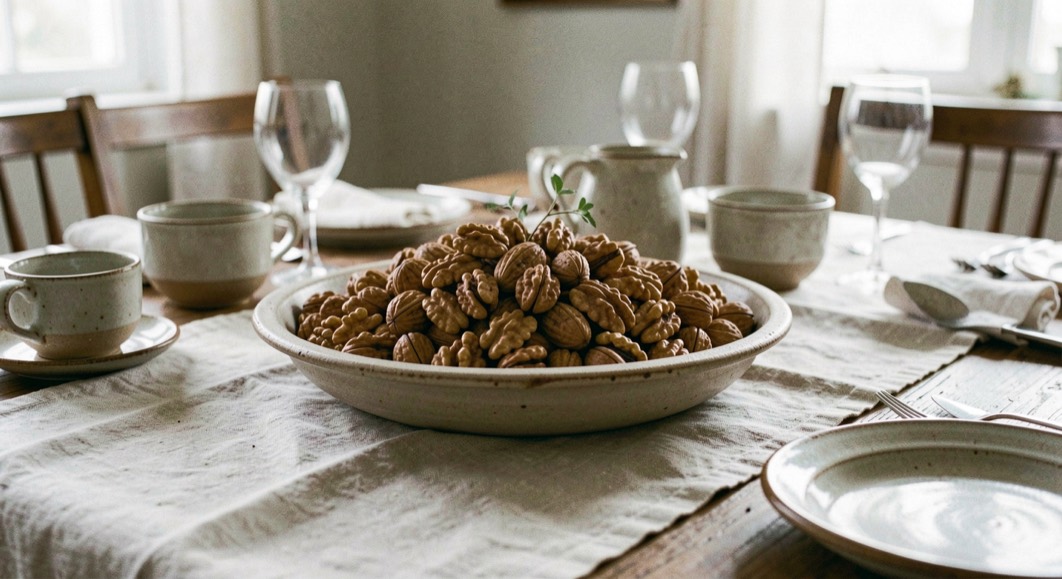
Scale, silhouette and the visual weight of grain help a handmade object belong in a room.
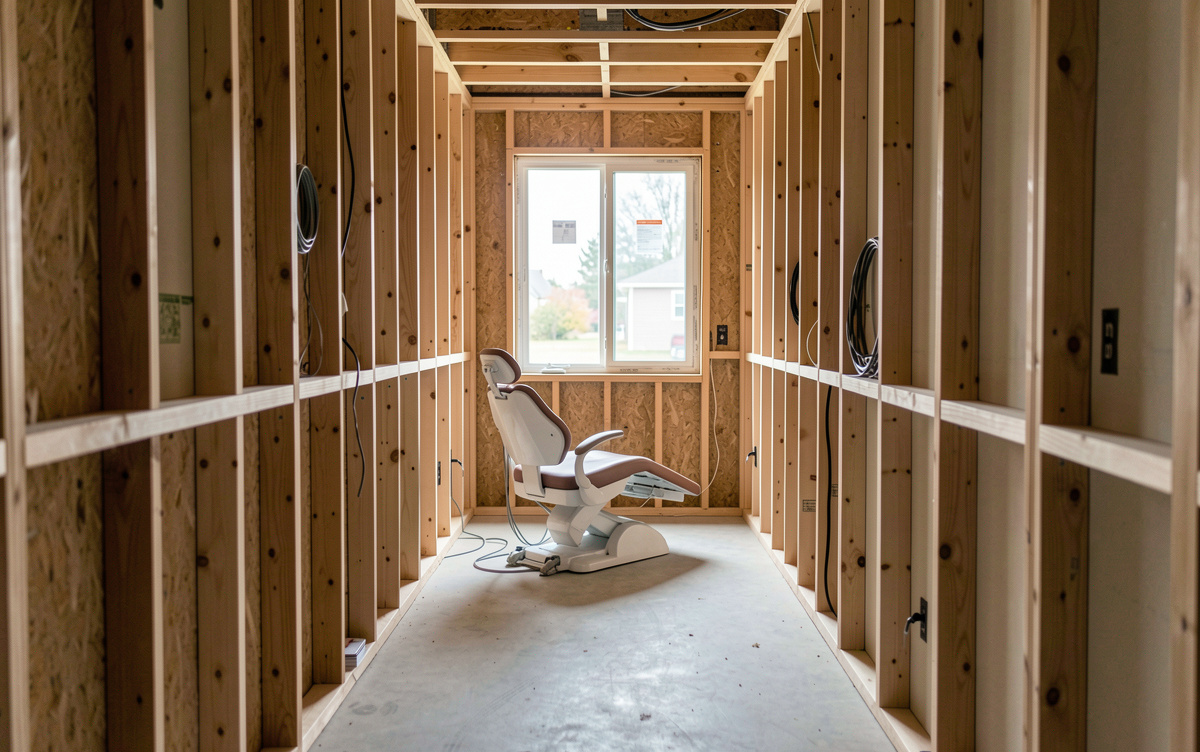
Dental office design starts with the daily work, not the walls. Five clearances decide each room, its adjacency, and its share of the lease.
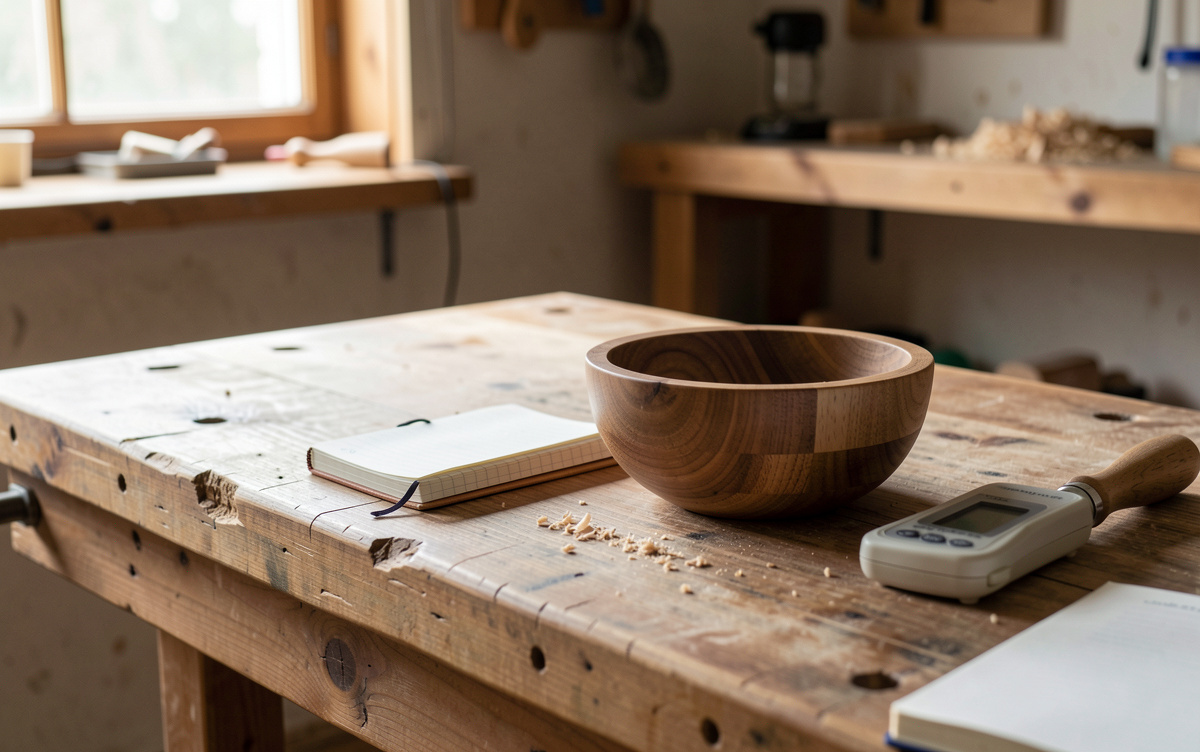
How woodturners can read a building, a material and a finish before buying, turning a bowl or renovating a home.
About the journal, meet the editor, and review the commercial boundary.
These guides and records stay here because they are revisited, kept current and useful whenever a new blank or tool raises the same durable question.
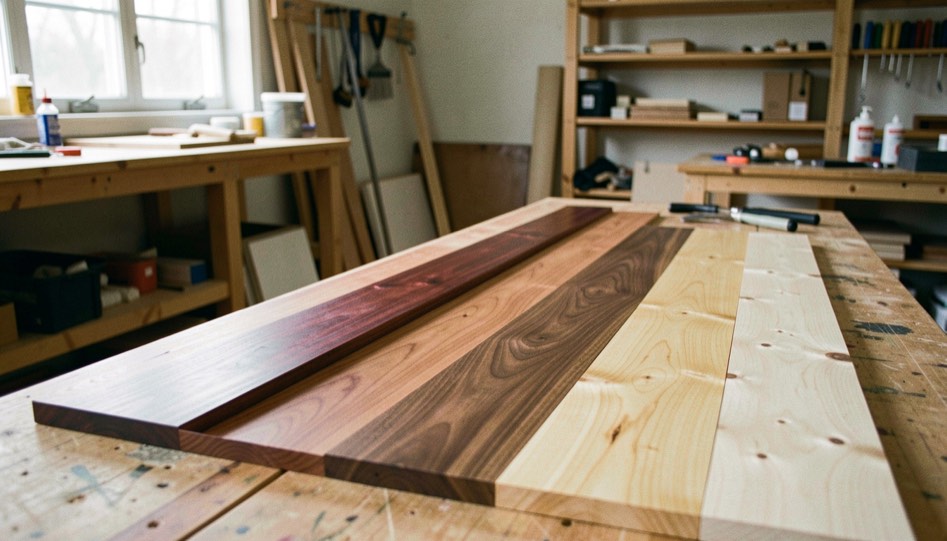
A steady reference for comparing grain, hardness, drying, checking and finish decisions before a blank reaches the lathe.
Grind, bevel and presentation form one working system, so a clear explanation helps each cut become easier to read.
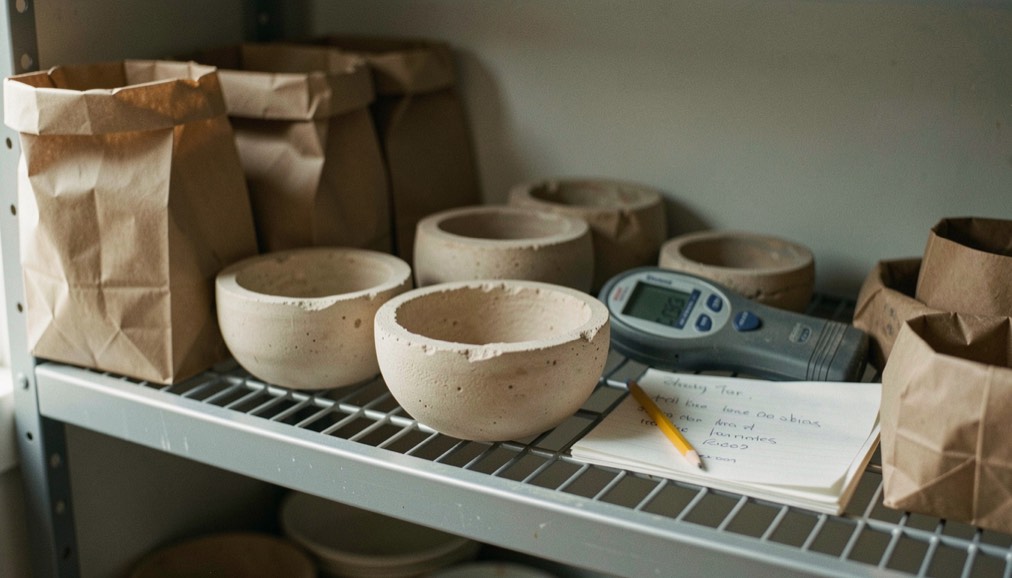
Moisture movement changes the design problem, and a patient plan helps a promising blank become a stable object.
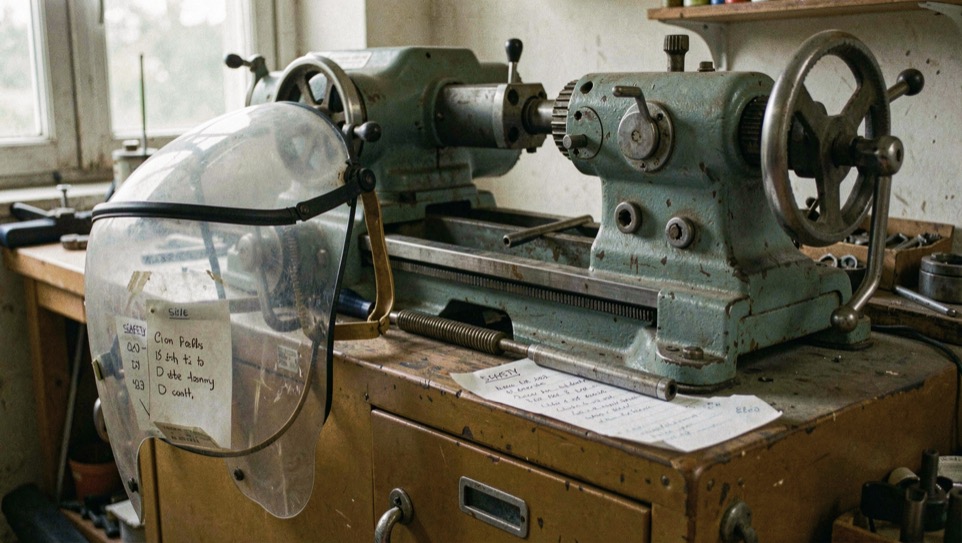
A short pause around the machine protects attention, hands and the work itself before the first rotation begins.
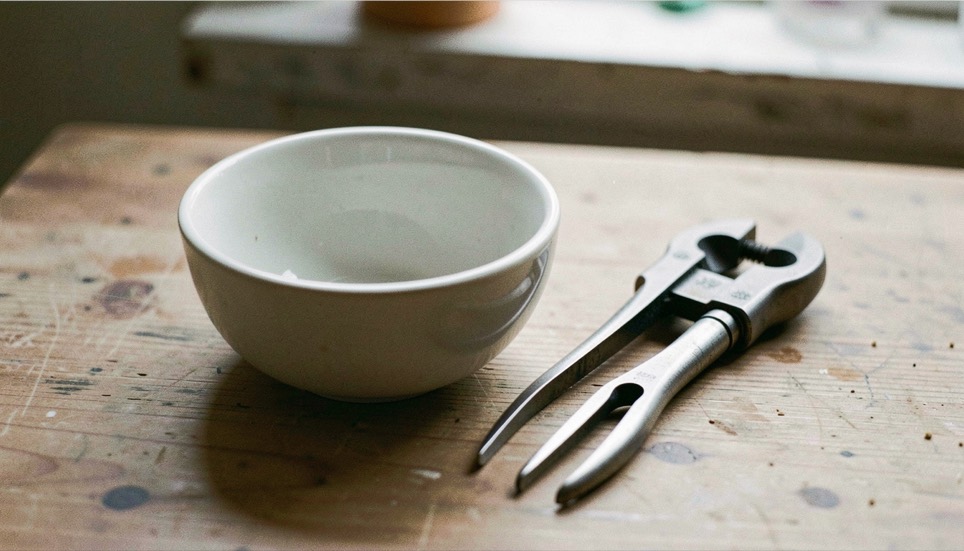
An ordered sequence keeps material, tool control, proportions and care notes connected from the first mounting to the final surface.
For a German-language extension on wood, surfaces and the long life of crafted objects, continue with this related technical reference.
Holz & Werkstatt covers wood species, workshop tools, surfaces and restoration in German, adding a furniture-making perspective to the same material questions.
Wood and the rooms around it keep the same questions in several trades. These reference desks follow them into the house, the garden, the workshop and the work that grew beside it.
For readers curious about Venetian mirror history, Murano glass, and workshop methods such as faceting, engraving, and silvering, The Silvered Pane covers styles, forms, and the care of an old mirror at home.
Readers who want a plain guide to home fire safety will find one at The Oldest City Fire Journal, an independent magazine for St. Augustine and St. Johns County covering alarms, escape plans, burn permits, and storm outages.
Readers who want to see how Italian workshops handle wood furniture and interior materials can turn to Nodo & Dimora's editorial coverage, which follows joinery, restoration, veneers, finishes, and durability standards.
Readers who want help dating a shelf clock, a lamp, or a piece of table china can turn to a collecting antique clocks guide that explains how to recognize, date, and care for old objects found at estate sales.
For turners who also work with fresh cut material in December, the practical magazine at how fresh evergreen wreaths are made covers mounting greens on a ring, Noble fir against mixed conifer, swags, long garland, and the storage that keeps needles green.
For readers weighing how a turned frame or a plain panel sits on a wall, choosing and hanging pictures covers image selection, hanging height, gallery walls, and framing care in French.