Northern Red Oak
Quercus rubra · medium-high reference feel · 1,290 lbf
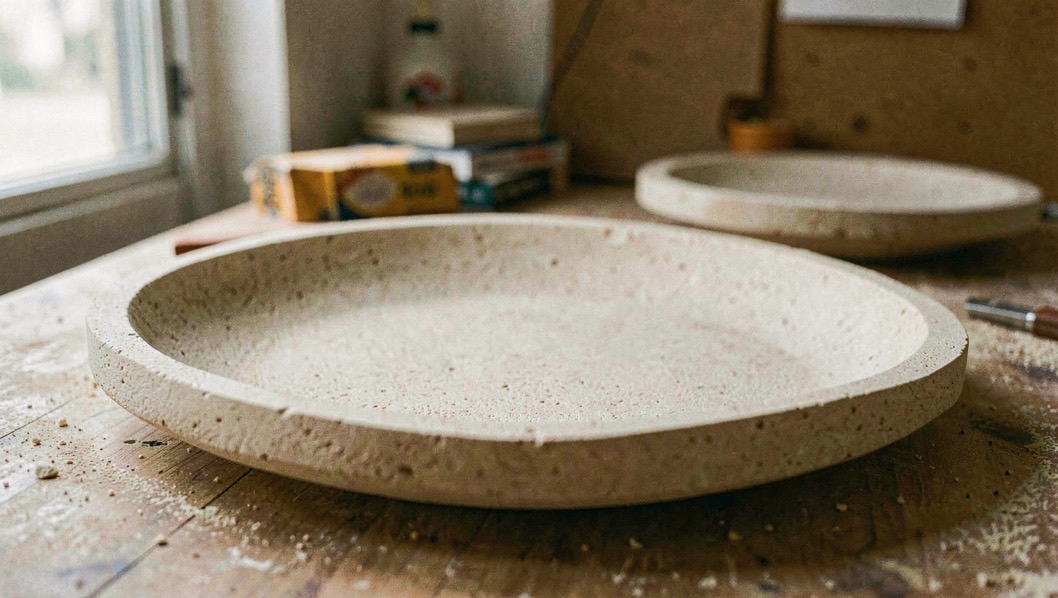
Open-pored with strong earlywood lines and a familiar cathedral pattern.
Readable grain and open pores reward a decisive cut and thorough surface preparation.
Thicker blanks need time and protection from rapid end loss. Pith and end grain are common starting points for checks in rough stock.
Bowls, platters, architectural details and robust utility forms.
A pore-filling or satin finish can balance the pronounced grain.
Respect open pores and end grain
Northern red oak has a visible pore structure that can make grain direction legible and defects obvious. Inspect pith, end checks and open splits before mounting, especially in thick rough stock. Orient the form so the cathedral pattern supports the silhouette, but do not sacrifice a safe hold for a preferred figure. The hardness reference is a comparison point. Moisture, pore size and an interrupted blank can matter more to the first cut than the number on a chart.
Make the cut decisive and supported
A sharp gouge and a stable tool rest help avoid dragging across the open grain. Take controlled passes, use raking light to monitor torn areas and avoid polishing damage into the surface with coarse sanding. If the rim chatters, check wall thickness, rest position and mounting before blaming the pores. An oak platter can make a clear project lesson, but a beginner should start with a manageable diameter and stop at any new vibration or crack.
Decide what the pores mean for use
A pore-filling finish can create a more continuous surface, while a satin finish can preserve a tactile open grain. Test the product on the same oak and explain whether the object is decorative, dry-use or intended for brief hand washing. For example, a robust platter may tolerate a visible pore pattern better than a wet-use bowl. Finish cannot compensate for movement in thick stock, and no product should be described as food-safe without its own instructions.
Use the number as a comparative reference, then inspect the actual blank. The drying guide and small bowl workflow show how material behavior changes a project.